In 30 seconds
- A combo pays off when it converts someone who was going to order a single dish, not when it gives a discount to someone who was already ordering all three.
- Calculate the cost of each component with your recipe cost sheet before you set the price, not after.
- Pair a dish that already sells well with one that leaves good margin but gets little attention.
- Offer it as an option on the dish itself (“make it a combo”), especially in your online store.
- A low-cost free product usually costs you less than a percentage discount or a 2-for-1.
When a combo pays off (and when it loses you money)
A combo is a set of products at a fixed price, usually a little lower than the total when ordered separately. It makes sense for two reasons: it simplifies the decision (the customer doesn’t have to build their order) and it raises the spend of people who were going to order little.
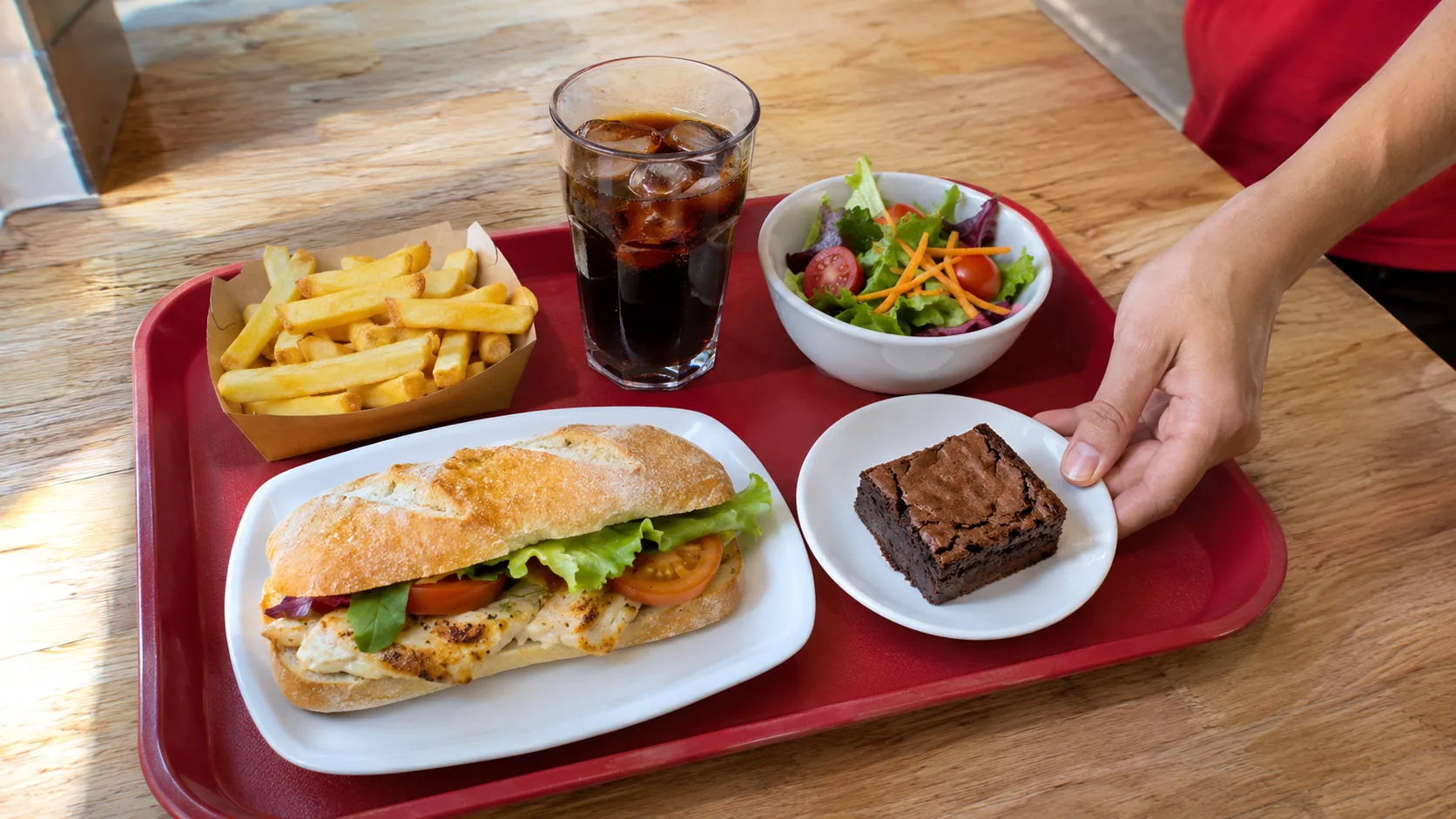
The risk is on the other side: if someone who already ordered a burger, fries and a drink switches to the combo, you’re giving them a discount they didn’t need. That’s why the question isn’t “how much do I knock off?” but “which order does this combo replace?”.
Which dishes to pair: stars, plowhorses, puzzles and dogs
Menu engineering, developed by Michael Kasavana and Donald Smith in 1982, classifies each dish by how much it sells and how much margin it leaves. It’s the best way to choose the components:
| Type of dish | Sales / margin | Role in the combo |
|---|---|---|
| Star | High sales, good margin | The lead: the reason people choose the combo. |
| Plowhorse | High sales, low margin | A good base if you pair it with something higher-margin. |
| Puzzle | Low sales, good margin | The ideal sidekick: the combo gives it visibility. |
| Dog | Low sales, low margin | Out. If nobody wants it on its own, they won’t want it in a combo either. |
To classify your dishes you need two data points: the units sold of each one over a period (the product ranking from your sales system) and its margin per unit, which comes from the recipe cost sheet.
Calculate the margin before you set the price
The recipe cost sheet is the cost of each portion: ingredients, waste and, for delivery, the packaging. If you don’t have one yet, start here: how to build a profitable recipe cost sheet. With the cost of each component you can start comparing scenarios.
Illustrative example · burger combo (prices excluding VAT)
Burger: price €10.00 · cost €3.00margin €7.00
Fries: price €3.00 · cost €0.50margin €2.50
Drink: price €2.00 · cost €0.40margin €1.60
All three separately: €15.00 · cost €3.90margin €11.10
Combo at €13.50 · cost €3.90 (29% food cost)margin €9.60
If the customer was going to order just the burger, the combo leaves you €2.60 more per order (€9.60 vs. €7.00). If they were already ordering all three products, it leaves you €1.50 less. Prices and costs are assumptions: use your own.
Two rules that come out of this example:
- Set a food cost limit for your combos (for example, the one you already use for your menu) and don’t price below it.
- Discount the cheap components, not the main one. Here the customer’s savings (€1.50) are noticeable, but they come from low-cost products.
How to present the price
- Show the savings compared with ordering separately (“you save €1.50”), but only if they’re real.
- Add an option above it (the combo with an extra or in a large size). By comparison, the main combo looks like the sensible choice.
- Few combos, and clear ones. Three or four distinct combos sell more than ten similar ones that make people read.
- Names that say what’s included. “Classic combo: burger, fries and drink” is clear without opening the product page.
Combos, add-ons and options in your online store
In the dining room, the waiter asks “do you want fries with that?”. Online, the product page has to ask that question:
- “Make it a combo” as an option on the dish: when adding the burger, the customer chooses between “just the burger” or “combo +€3.50”. It converts people who were going to order a single dish at exactly the right moment.
- Required options within the combo: which drink, which sauce. They prevent incomplete orders and phone calls.
- Paid add-ons: extra cheese, sauce, large size. Keep them few, with visible prices.
- The combo at the top of the menu, in its own category or under “Most ordered”.
If you also sell through delivery apps, remember that the combo price can be different on each channel: what you pay per order isn’t the same everywhere. More ideas for raising the value of each order in how to increase your average order value.
2-for-1, free product or discount: which costs you less
Promotions work like a temporary combo. Using the numbers from the example:
Illustrative example · €25 order excluding VAT
10% discount on the cartcosts you €2.50
Free fries (price €3.00, cost €0.50)costs you €0.50
2-for-1 on burgers (you give away one costing €3.00)costs you €3.00 and you forgo €10.00 in sales
Customers see more value in €3 worth of fries than in a €2.50 discount, and the fries cost you less. Assumptions from the previous example.
- Free product with a minimum order: the cheapest for you and easy to understand.
- 2-for-1: expensive. Save it for slow days or time slots, a launch or winning new customers, with limits on redemptions and dates.
- Percentage discount: useful for the first order, but the bigger the order, the more it costs you.
How we handle it at Delitbee
In the online store you set up add-ons and options for each product, and the menu can be different for each channel (takeaway, delivery, table, kiosk). Promotions include templates for free products, 2-for-1 or product discounts, with conditions on dates, time slot, channel, minimum order and usage limit. And analytics gives you the product ranking so you know which dishes are your stars.
Frequently asked questions
There’s no single figure. Calculate the combo’s margin with your recipe cost sheet and compare it with the margin of the dish the customer would order on its own. If the combo leaves more margin than that single dish and stays within your food cost limit, the discount is affordable.
The ones that sell little and leave little margin. Also the ones that travel badly if the combo is for delivery, and the ones that slow the kitchen down at peak times.
For you, giving away a low-cost product (fries, a drink) with a minimum order is usually cheaper. A 2-for-1 is a customer acquisition tool: use it with limits on dates and redemptions.
No. You can have different prices in the dining room, in your online store and on delivery apps, because what you pay per order changes depending on the channel. What matters is that the customer sees the final price before paying.
Sources
- Menu Engineering Matrix: How to Classify Every Menu Item · meez · origin of the method (Kasavana and Smith, 1982) and the four categories
Informational article, reviewed as of the update date. For your specific situation, check with your accountant or advisor.